

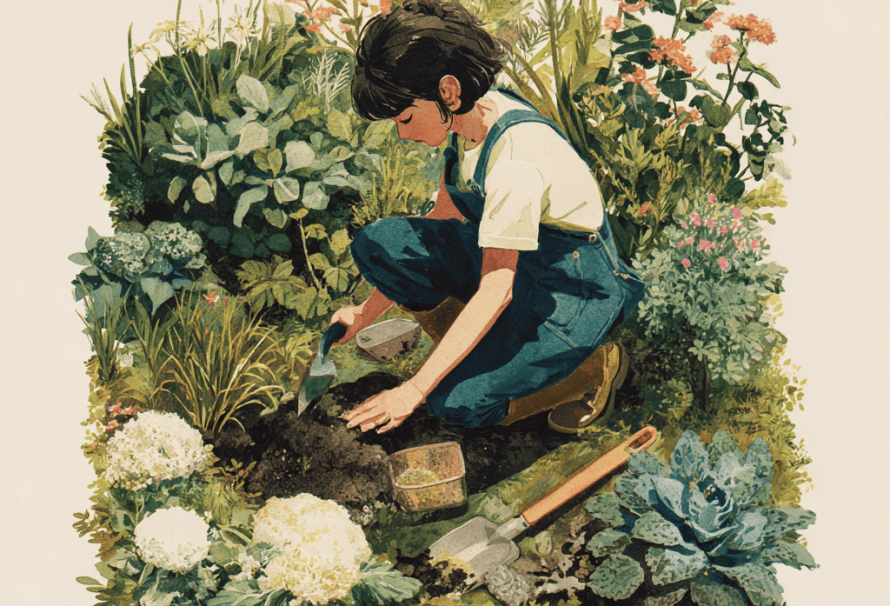
There is a common misconception that a garden’s beauty is reserved for the warm months alone—that once autumn leaves fall and winter settles in, the outdoors becomes a space to overlook rather than enjoy. But a thoughtfully designed garden tells a different story entirely. It is a living canvas that transforms with the calendar, offering fresh delights with each passing month. From the first brave crocus of spring to the sculptural silence of a snow-dusted winter branch, every season brings its own unique magic. The key is learning to design with the whole year in mind, and Gradina tips and advice can illuminate the path toward creating a space that feels alive, welcoming, and deeply loved in every season.
The Secret To Year-Round Joy: Thinking In Layers
 Creating a four-season garden isn’t about complexity or endless work; it’s about thinking in layers. Imagine your garden as a stage, with different plants taking their bows at different times of the year. When one performer’s scene ends, another is already waiting in the wings, ready to step into the spotlight.
This layered approach begins with structure. Before considering the fleeting beauty of flowers, think about the bones of your garden—the elements that remain constant no matter the weather. Evergreen shrubs provide reliable green structure when deciduous trees stand bare. Well-placed paths invite winter walks. A garden bench positioned to catch the low afternoon sun becomes a cozy spot for a quiet moment, even on a crisp January day. These foundational elements ensure that your garden always has something to offer, providing a sense of order and peace that underpins the seasonal drama.
Spring: The Joy Of Awakening
After the quiet introspection of winter, spring arrives like a celebration. The very first signs of life—tiny green shoots pushing through thawing soil—fill the heart with hope and anticipation. Designing for spring is about capturing this joy of awakening and placing it where it will lift your spirits most.
Think about the areas you see first when you step outside or look through your kitchen window. This is where your earliest performers should live. Plant drifts of snowdrops and crocuses that will often bloom through the last traces of snow. Follow them with cheerful daffodils and fragrant hyacinths that seem to glow in the soft spring light.
But spring beauty isn’t only found at ground level. Early-flowering shrubs and trees add another dimension of delight. The delicate pink blossoms of a flowering almond or the cheerful yellow branches of a witch hazel bring color and fragrance at eye level. Under-plant these with early bulbs, and you create a layered composition that feels rich and intentional. A walk through the garden in April becomes a treasure hunt, with new discoveries waiting around every corner.
Summer: Abundance And Fragrance
Summer is the garden’s generous season—a time of lush growth, bold colors, and intoxicating scents. This is when your outdoor space truly becomes an extension of your living area, a place for lazy afternoons, al fresco dinners, and the simple pleasure of being surrounded by life in full swing.
To make the most of summer, create spaces that invite you to linger. A small patio or seating area tucked among fragrant plants becomes a personal retreat. Surround it with old-fashioned favorites like lavender, whose scent relaxes the mind, and roses, whose beauty feels like a gift. Plant tall, airy flowers like cosmos and gaura that sway with the slightest breeze, adding movement and a sense of coolness to hot days.
Summer is also the season of pollinators, and their presence adds another layer of enjoyment. Watch the bumblebees tumble into the foxgloves, the butterflies dance over the butterfly bush, and the hummingbirds, if you’re lucky, sip from tubular flowers. Their busy, happy activity makes the garden feel vibrantly alive, a tiny ecosystem thriving under your care.
Autumn: A Grand Finale Of Color
As the days grow shorter and the air turns crisp, the garden offers one final, spectacular show. Autumn is often misunderstood as a time of decline, but in a well-planned garden, it is a season of breathtaking beauty. The fading of summer flowers makes way for a different kind of richness—one of texture, seed heads, and foliage that blazes with color.
Designing for autumn means choosing plants that give their best performance as temperatures cool. Ornamental grasses catch the low autumn light and turn it to gold, their feathery plumes adding softness and movement. Sedums and asters provide late bursts of purple and pink when little else is blooming, offering vital last-chance nectar for migrating butterflies.
But the true stars of autumn are the trees and shrubs whose leaves transform into living flames. Maples burn with shades of orange and red. Viburnums offer burgundy and deep purple. The key is to place these plants where the low autumn sun can backlight them, turning your garden into a kaleidoscope of glowing color. A quiet walk through the fallen leaves, listening to their satisfying crunch, becomes a simple, profound pleasure.
Winter: The Beauty Of Rest
Winter reveals the true bones of a garden. Stripped of leaves and flowers, the structure you have built takes center stage. This is the season of simplicity, where beauty is found in form, texture, and the quiet dignity of rest.
Evergreens are the anchors of a winter garden. Their deep green, blue, or gold foliage provides color and life against the muted tones of the season. Holly berries shine like ornaments, feeding hungry birds. The peeling bark of a river birch or the smooth, muscular limbs of a beech tree become sculptural elements that are often overlooked in busier seasons.
Winter is also the time to appreciate the small, magical details. Frost traces the edges of every leaf and blade of grass, transforming the ordinary into something exquisite. A dusting of snow sits gently on the branches of evergreens, creating a scene of peaceful perfection. A simple bird feeder hung near a window brings flurries of activity, as chickadees, finches, and woodpeckers visit for a meal.
Designing for winter teaches us to appreciate quiet beauty. It reminds us that rest is a vital part of the cycle and that there is grace in slowing down. A garden bench dusted with snow, a path leading through sleeping beds, the warm glow of lights strung through bare branches—these simple elements make winter a season to embrace, not endure.
Simple Touches For Every Season
Beyond plants, a few thoughtful additions can enhance your garden’s appeal all year long. Garden art—a beautiful sculpture, a weathered obelisk, or a mosaic stepping stone—provides focal points that draw the eye regardless of the surrounding foliage. Lighting extends the hours you can enjoy your space, casting dramatic shadows and highlighting favorite features after dark. A small water feature, even one that is turned off in freezing weather, adds a layer of tranquility during the months it flows.
The most important element, however, is you. A garden for all seasons is a garden that invites you outside in every kind of weather. It offers a reason to pull on your boots and breathe the crisp autumn air, to sit in the shade on a summer afternoon, to marvel at the first spring shoots, and to find peace in the quiet of winter. By designing with the whole year in mind, you create not just a garden, but a lifelong companion that grows and changes and delights you, season after beautiful season.


